 Shade
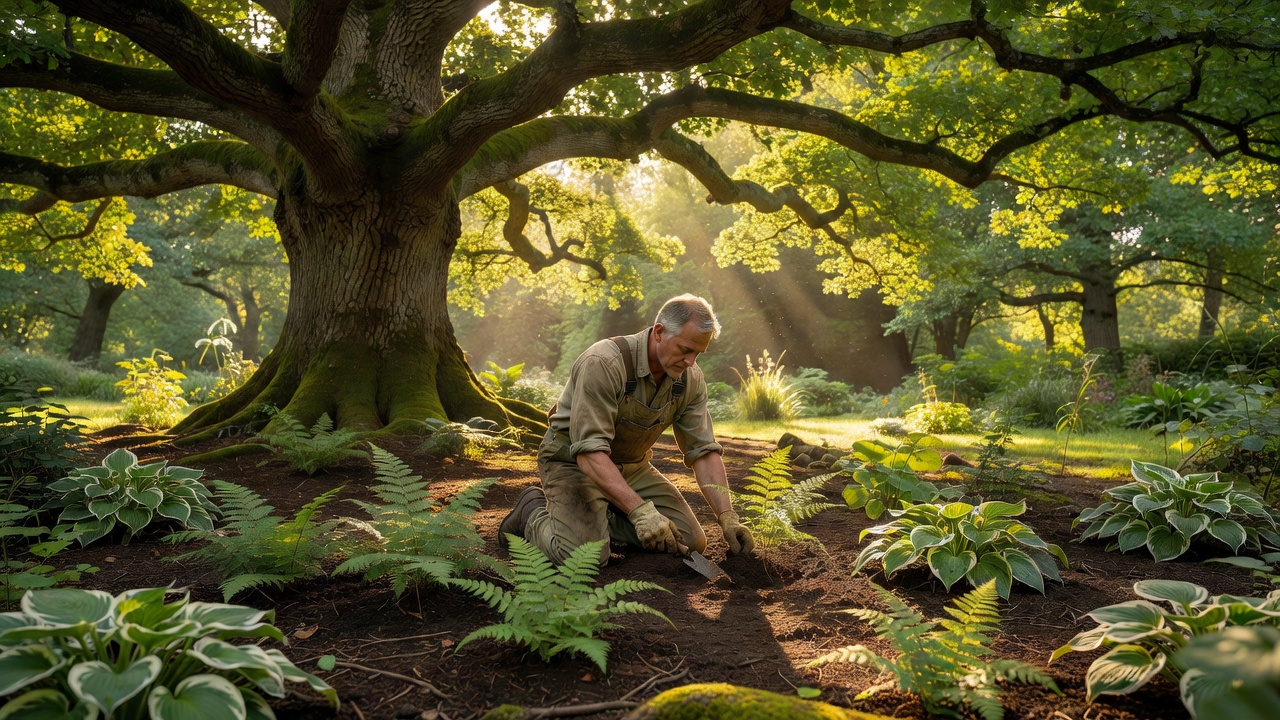
ShadeDry shade under trees
The hardest spot in any garden — and where Geranium macrorrhizum and Epimedium earn their places.
A north-facing bed and a third-floor balcony share a secret: both reward a short list of the right plants far more than a long list of hopeful ones.
 Shade
ShadeThe hardest spot in any garden — and where Geranium macrorrhizum and Epimedium earn their places.
 Balcony
What to check before you buy a single plant.
“Shade” covers four very different conditions, and most plant failures in shady gardens come from confusing them. Dappled shade, under a light canopy such as birch, is the easiest of all. Part shade means three to six hours of direct sun, ideally in the morning. Full shade, beside a north wall, receives little direct sun but often plenty of reflected light. Dry shade, under mature trees or beside fences where rain rarely reaches, combines low light with root competition and is the real test. Watch your space for one full day in June and note the hours of direct sun before you buy.
Light-coloured and variegated foliage glows in shade, while dark leaves vanish. Combine textures — the fine blades of Hakonechloa against bold Brunnera leaves — rather than relying on flowers, which are fewer in low light.
Weight. Wet compost is heavy — a 60-litre trough can weigh more than 70 kg after rain. Check with your landlord or building manager about load limits, place the heaviest containers near load-bearing walls, and consider lightweight fibreglass pots with a mix of compost and perlite.
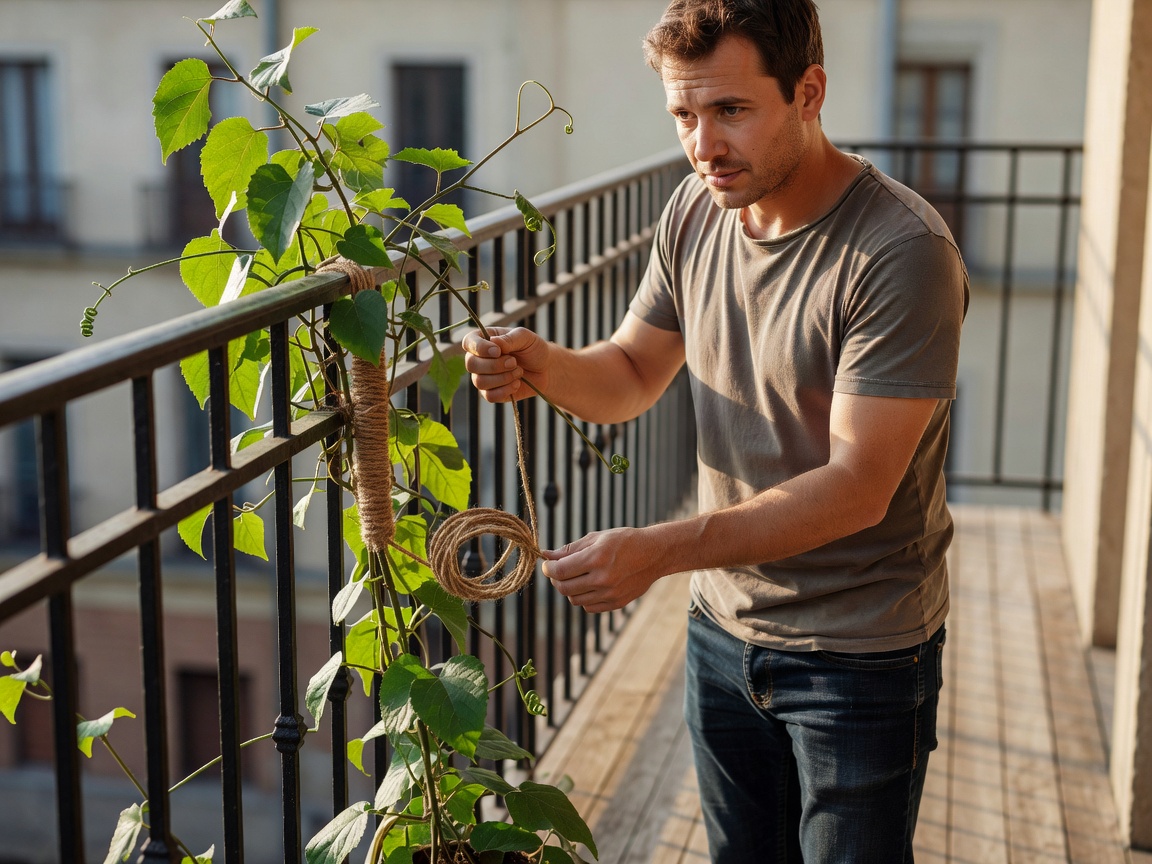
Wind. Higher floors face stronger and more drying winds than ground-level gardens. Wind scorches leaves and topples tall plants. Choose low, flexible plants, secure pots to railings with proper brackets fixed on the inside, and never hang containers on the outside of a railing above a public area.
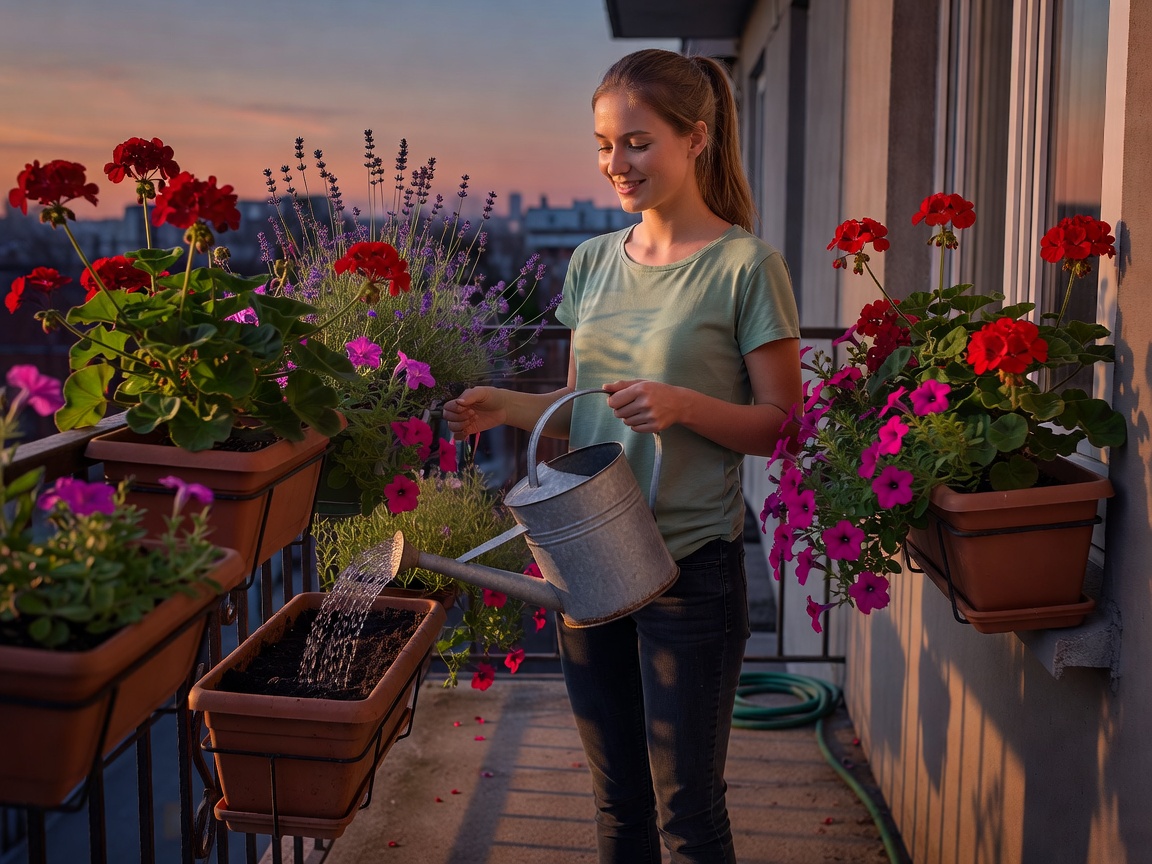
Water. Containers dry out fast, and balconies are often sheltered from rain by the floor above. Self-watering pots with a reservoir, or a simple drip system on a timer, turn daily summer watering into a weekly refill. Make sure run-off won't drip onto neighbours below.
Use peat-free compost suited to containers, add slow-release fertiliser in spring, and refresh the top few centimetres every year. A balcony of five well-chosen, generous pots looks far better — and is easier to care for — than twenty small ones.
| Plant | Dry shade | Moist shade | Pots | Score |
|---|---|---|---|---|
| Geranium macrorrhizum | Excellent | Good | Good | 9.0 |
| Epimedium | Excellent | Good | Fair | 8.8 |
| Hakonechloa macra | Fair | Excellent | Excellent | 8.6 |
| Male fern | Good | Excellent | Good | 8.5 |
| Brunnera ‘Jack Frost’ | Poor | Excellent | Good | 8.3 |
| Heuchera | Fair | Good | Excellent | 7.9 |
| Hosta | Poor | Excellent | Excellent | 7.4 |